
Zoom in or hover over images for close-ups.
Garlic mustard, Alliaria petiolata, is a biennial herbaceous plant. In the first year of its cycle, when it grows from seed, this plant will start with two small leaves and grow throughout the summer without forming flowers or seeds. This is the best time to pull out the entire plant before its roots become well-established. Be careful not to confuse garlic mustard with native plants such as common violet, which is part of the local ecosystem.
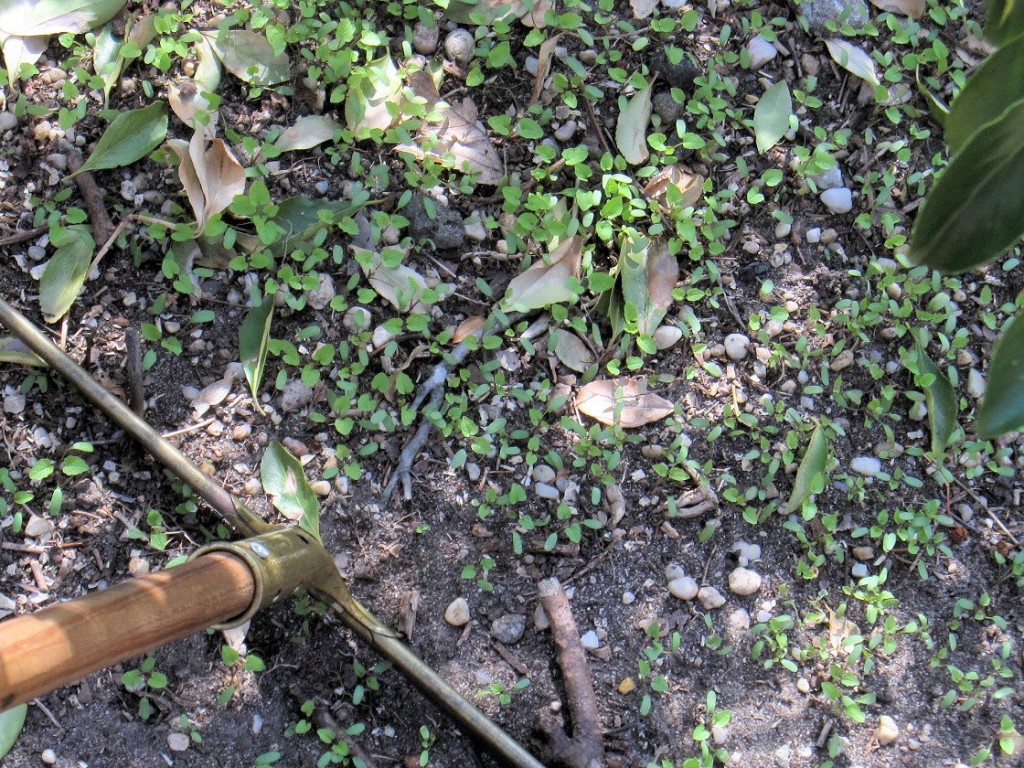
The young seedlings and small rosettes of the first year’s growth remain close to the ground throughout the growing season and don’t flower. Uproot or drag out with a window squeegee, then allow the roots to dry out in the sun.
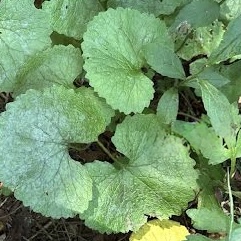
By April of its first year, the plants start to grow into rosettes. The leaves of these rosettes are not to be confused with common blue violets, golden ragwort, or white avens. This is the best time to uproot by hand or disturb the soil with a hoe or 4-tined cultivator (Basic Weeding Tools).
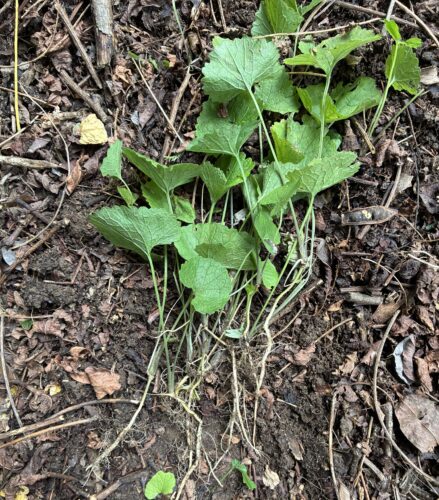
Once the plants are released from the soil, they can be left to dry in the sun, or the young roots can be removed and bagged for disposal.
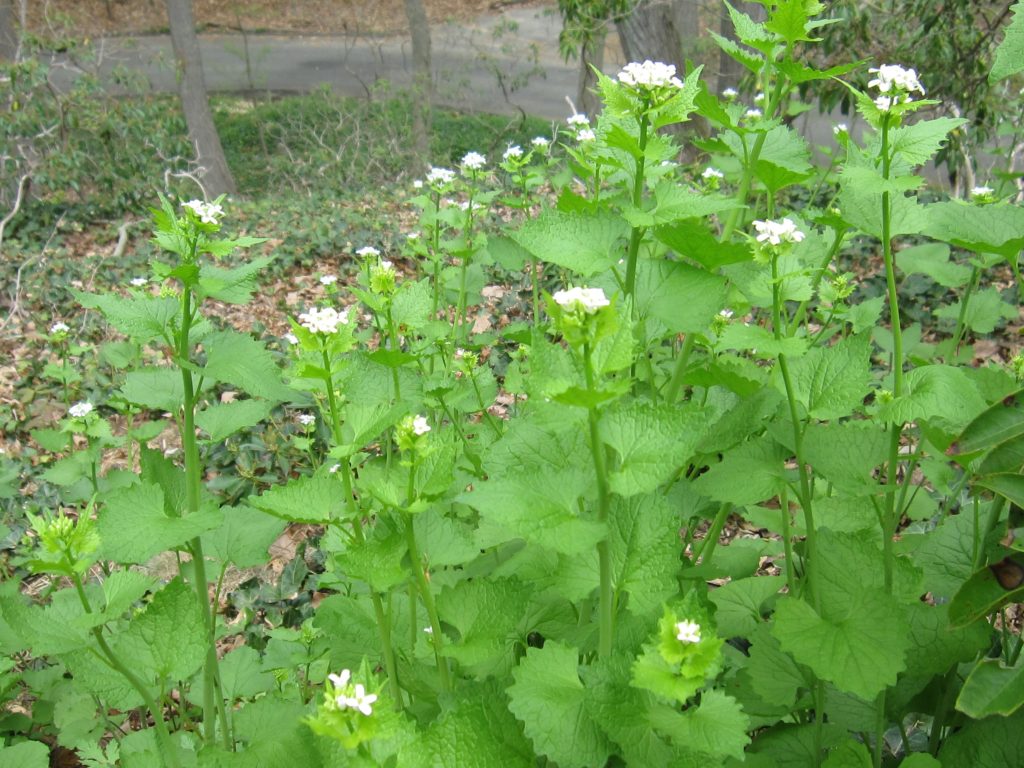
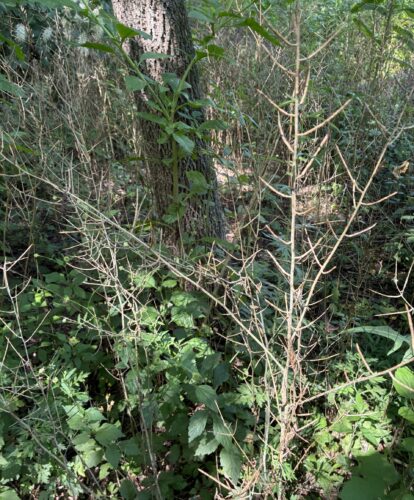
By May of its second year, garlic mustard produces clusters of white flowers at the tops of the stalks. The plants continue growing, ending their life cycle with upright seedpods just below the flowers. This transformation from flower to seed will continue even if the entire plant is uprooted. So never leave flowering stalks or seed pods on the ground. They are that tenacious.
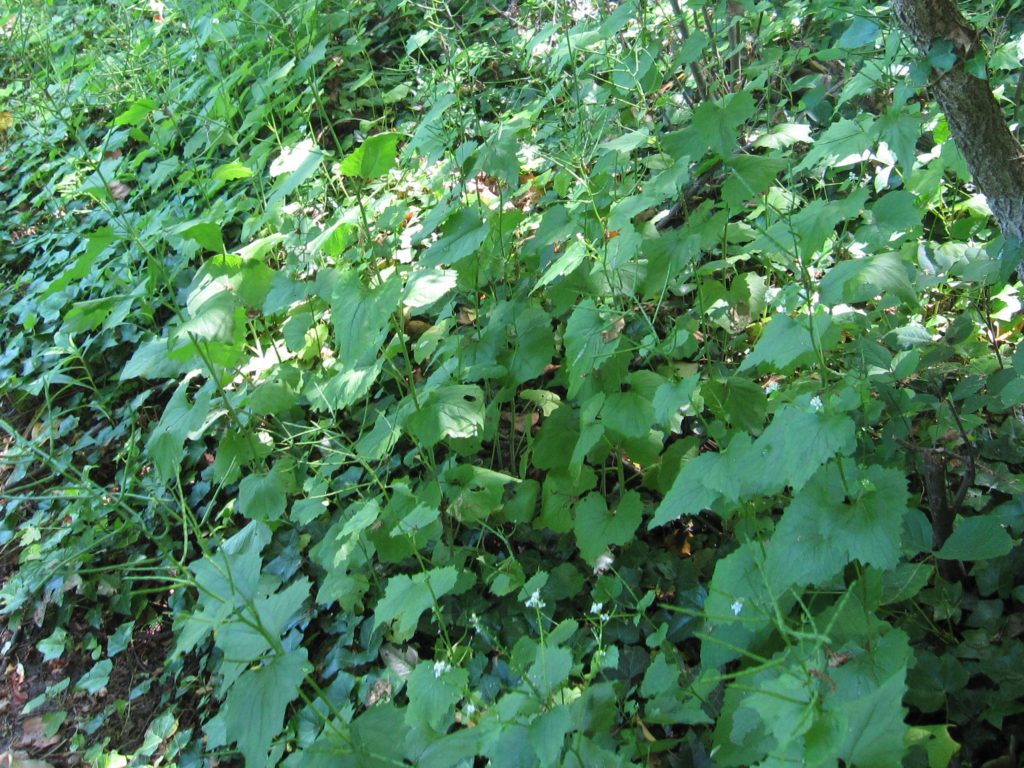
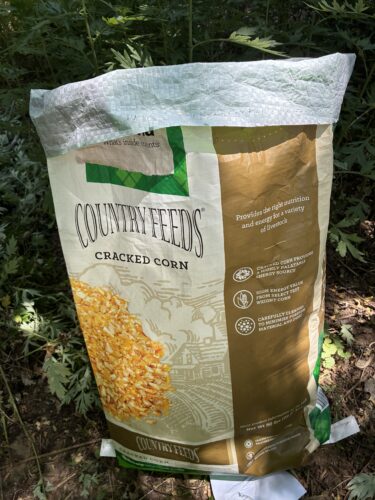
Although the roots of garlic mustard die by the end of the second growing season, to prevent the seedpods from droping and dispersing seeds, during May and June while the ground is moist, and while wearing leather or nitrile-dipped gloves for traction, grip the stem or several stems at once close to the ground, then with a quick side to side motion — pull out, bag and tie the plants in clear plastic bags without holes. Allow the bags to cook for several weeks in full sun before disposal. Or, fill an empty 50-pound grain bag and seal as below. Do not compost.
For additional information about uprooting plants, visit Uprooting Herb Plants.